Getting Online in Nagoya and the Tokai Region: SIM, eSIM and Pocket Wi-Fi
By Japan Connect Guide Team · Updated 9/13/2026
This page contains affiliate links. We may earn a commission if you make a purchase, at no extra cost to you. Learn more.
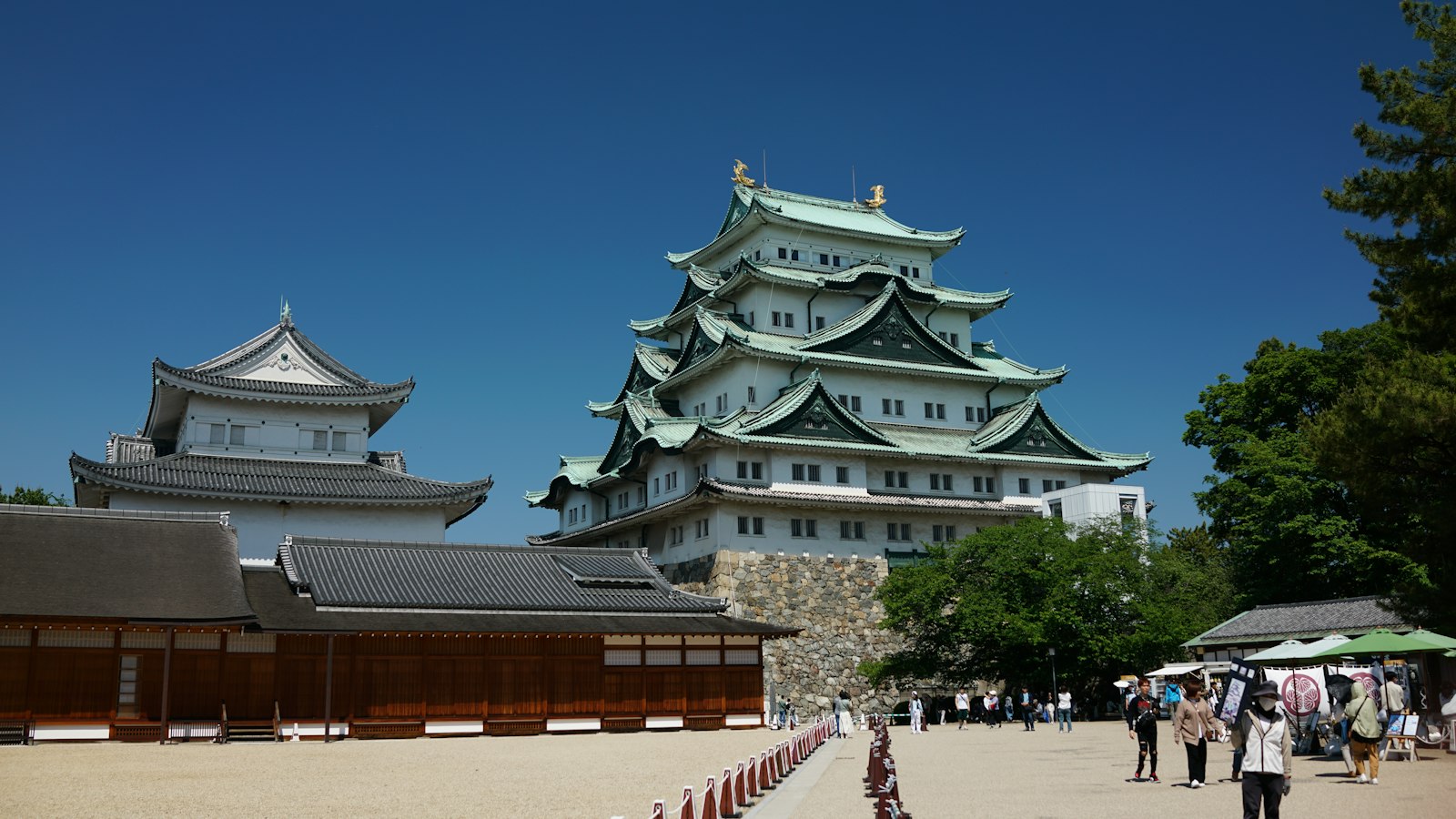
Nagoya is Japan’s fourth-largest city, but for many international visitors it is more of a base or transfer point than a destination in its own right. It is where you land, change trains, or begin a trip into central Japan. Chubu Centrair handles more international passengers than either New Chitose or Naha, and the Shinkansen puts the city between Tokyo and Kyoto, so a great many travelers pass through without stopping.
What makes it worth a page is the region around it. Takayama, Shirakawa-go, Ise and the old post towns of the Nakasendo are all reached from here, and those are the places where a connection stops being automatic.
Quick answer
- Whatever covers the rest of your trip if Nagoya is a base and a transfer point, and plans are nationwide
- An eSIM installed before you fly if Centrair's half hour is enough to buy a SIM but not enough to enjoy it
- Offline maps for the day trip if Takayama, Shirakawa-go and the Nakasendo all run through mountain country
- Individual connections if your party is walking the Magome to Tsumago trail, where a group strings out
Arrival: a middle-sized buffer
Chubu Centrair sits on a man-made island in Ise Bay, with a train into Nagoya Station in under half an hour.
That puts it between the two extremes covered elsewhere on this site. Narita gives you an hour to find a counter and get a SIM working before you need to navigate. Fukuoka gives you almost nothing. Centrair’s half hour is enough to buy something if you have to, but not enough to make it enjoyable. As everywhere, an eSIM installed before you fly removes the question.
Centrair is also a realistic arrival point for a Kyoto or Takayama trip rather than only a Nagoya one, which is worth knowing if fares from your home airport favor it.
The city itself needs no planning
Central Nagoya behaves like any large Japanese city: dense coverage, a subway network, and no coverage issues that matter on a normal visitor itinerary. Nagoya Castle, Osu, Sakae and the area around the station are all straightforward.
If you are here on business rather than sightseeing, the considerations are the ones in our business trip guide — arrive already connected, and think about whether you need a Japanese number for callbacks rather than just data.
The day trips are the reason to read this
This is where Nagoya differs from the other cities on this site. Its best-known attractions are somewhere else, and getting to them means mountains, buses and valleys.
Takayama is a little over two hours north by limited express, through river gorges and tunnels. Expect the usual brief drops in tunnels on that stretch. The town itself is covered without trouble.
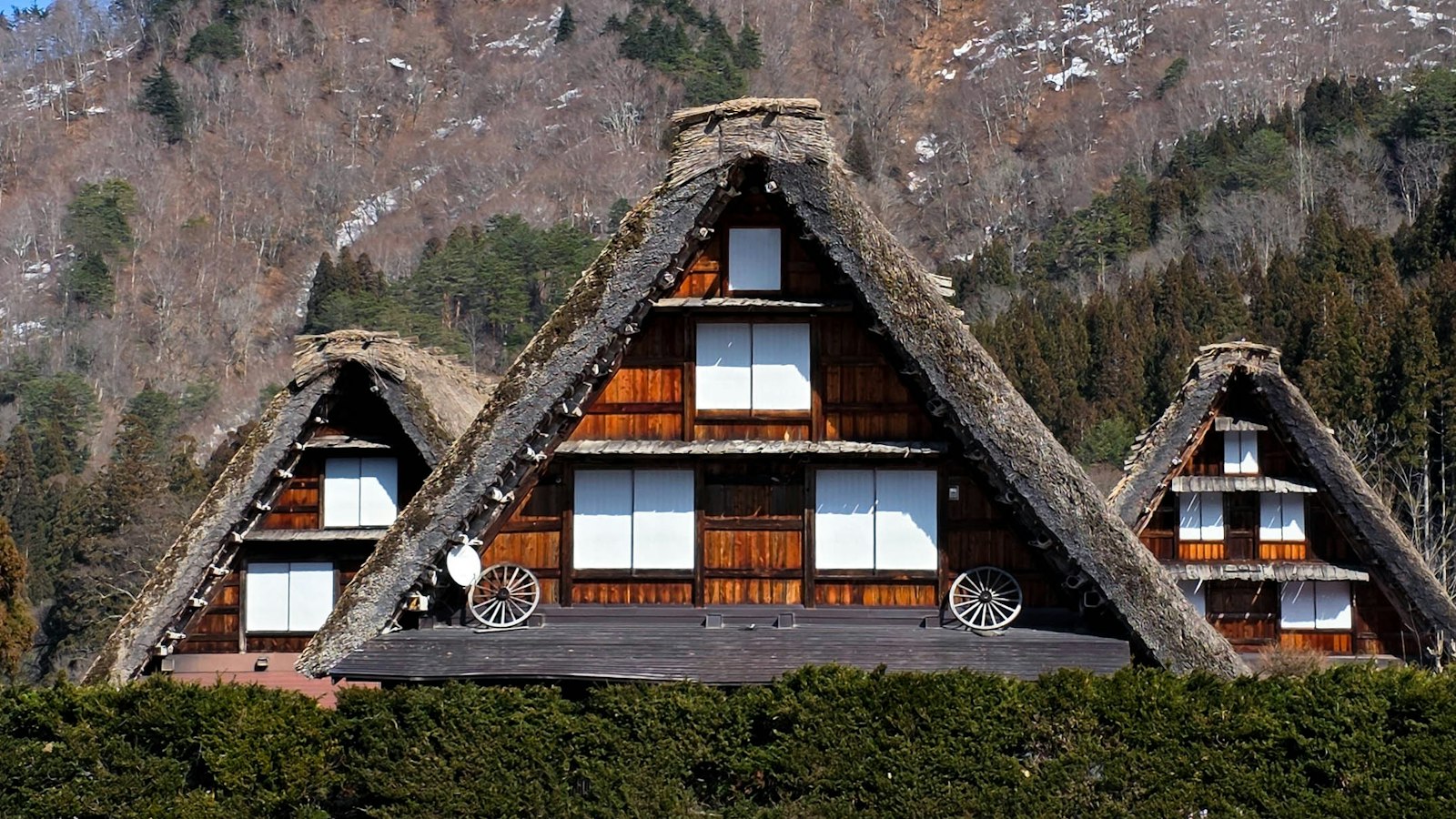
Shirakawa-go is reached by bus rather than train, and the road runs through mountainous country where signal thins between settlements. Buses need booking ahead in peak season and during the winter illumination periods. Book them while you still have a reliable connection rather than leaving it until the day of travel.
The Nakasendo post towns, Magome and Tsumago, involve a walk of a couple of hours between them on a forest trail. Coverage along it is patchy in the way any wooded valley is. Two practical notes: download the route offline before you set out, and use the luggage-forwarding service available between the two towns during the hiking season, so you are not carrying bags over a hill while trying to navigate.
Ise and the Ise Grand Shrine are about an hour and a half away by train, through flatter country with steadier coverage.
The pattern across all four is the same. The city end is fine; the far end is rural. Download offline maps for the specific area before you leave Nagoya, and screenshot your return times, because return services often run less frequently than the ones that brought you there.

Mobal
Priced by the exact day, installed before departure so you land connected
940+ customer reviews, mostly positive
What to buy
Nothing specific to Nagoya or the Tokai region. Japanese tourist plans are nationwide products sold by duration, so whatever covers the rest of your trip covers this.
| Party | Typical answer | Cost |
|---|---|---|
| Solo | One tourist eSIM | ¥1,650 for 3 days, ¥3,850 for 7 |
| Couple | Two individual eSIMs | ¥5,500 for 5 days |
| Family of 4 | One shared pocket Wi-Fi router | ¥8,558 for 7 days |
One caveat for the day trips specifically. A shared router only serves people standing near it, which is fine on a train and much less so on the Magome-to-Tsumago walk, where a group naturally spreads out along the trail. If your party is walking that route, individual connections are worth more than they are in the city.
See our full provider comparison for the detail behind those numbers.

Sakura Mobile
Pocket Wi-Fi for a family, or a physical SIM if a phone cannot take an eSIM
1,402 customer reviews, mostly 5-star but with some complaints
How much data a Nagoya trip uses
A reasonable rule of thumb is around 1-2GB per person per day. City days are light. Day-trip days run higher because you navigate more, check timetables repeatedly, and photograph more than you would in a city you already know. Allowance is not the constraint; a charged phone at the far end of a valley is.
Frequently Asked Questions
Is there anything to buy specifically for Nagoya or the Tokai region?+
No. Japanese tourist plans are nationwide products sold by duration, so whatever covers the rest of your trip covers this.
How much time does Centrair give me to sort out a connection?+
Under half an hour into Nagoya Station, which sits between Narita's hour and Fukuoka's almost nothing. Enough to buy something if you have to, but not enough to make it enjoyable.
Where does coverage actually thin around Nagoya?+
On the day trips rather than in the city. The road to Shirakawa-go runs through mountainous country, and the Magome to Tsumago walk follows a forest trail. Download the area offline before you leave Nagoya.
Guides for the trips Nagoya sits inside
Most Nagoya visits are a day or a night out of a longer stay, so the plan you buy is the one covering that stay.
Kyoto 3 Days Solo Traveler: SIM/eSIM Guide
Three days alone in Kyoto means racing temple closing times with no one to share the navigating. Here's the setup that fits, why battery matters more than data, and what it costs.
Updated September 12, 2026
Tokyo 3 Days Business Trip: Best eSIM Options
For a short Tokyo business trip, reliability and zero setup friction matter more than saving a few dollars — here's the eSIM approach that gets you online the moment you land.
Updated July 28, 2026

Kyoto 4 Days Group of 6+ Friends: Best Value SIM/Wi-Fi
Kyoto spreads a group of 6 across a wide ring of sights and up a mountainside. Here's why one shared router behaves differently here than in a compact city, with per-person costs.
Updated September 12, 2026
Kyoto 5 Days Couple: SIM/eSIM Guide
Kyoto empties out early — temples close mid-afternoon and buses thin out at night. For a couple, that makes an independent connection each worth more than a shared router.
Updated September 12, 2026
Kyoto & Osaka 5 Days Couple: SIM/Wi-Fi Guide
Splitting five days across two cities adds a problem single-city trips don't have: where you return a rental router. Why that alone often settles it for a couple, plus costs.
Updated September 12, 2026
Tokyo 5 Days Couple: SIM/eSIM Guide
Shinjuku and Shibuya separate couples for real, not hypothetically. Why each of you wants your own connection in Tokyo, what it costs against a shared router, and the Kamakura day trip.
Updated September 12, 2026
Tokyo 7 Days Solo Traveler: Best SIM/eSIM Options
How much data you actually need for a solo week in Tokyo, and which SIM/eSIM plans fit that usage without overpaying.
Updated July 28, 2026
Kyoto 7 Days Family of 4: Connectivity Guide
Nobody sightsees seven days straight with children, so should you pay for seven days of connectivity? The rental-tier math for a Kyoto family week, plus bus-day practicalities.
Updated September 12, 2026
Tokyo 10 Days Family of 4: Connectivity Guide
Ten days is long enough that older kids will want an afternoon on their own — the one thing a shared router cannot support. Plus the 7-vs-30-day rental pricing trap.
Updated September 12, 2026
Tokyo to Osaka 10 Days Family of 4: Connectivity Guide
A two-city family trip turns on one day: the Shinkansen transfer with luggage and children. Oversized bags need a reservation, and a rented router has to get home somehow.
Updated September 12, 2026
Japan 14 Days Multi-City Backpacker: Data Plan Guide
For a 14-day multi-city Japan backpacking trip, a longer-validity eSIM with a generous data cap beats juggling multiple short-term SIMs between cities.
Updated July 28, 2026