Is Free Public Wi-Fi Enough in Japan?
By Japan Connect Guide Team · Updated 9/21/2026
This article contains affiliate links. We may earn a commission if you make a purchase, at no extra cost to you. Learn more.
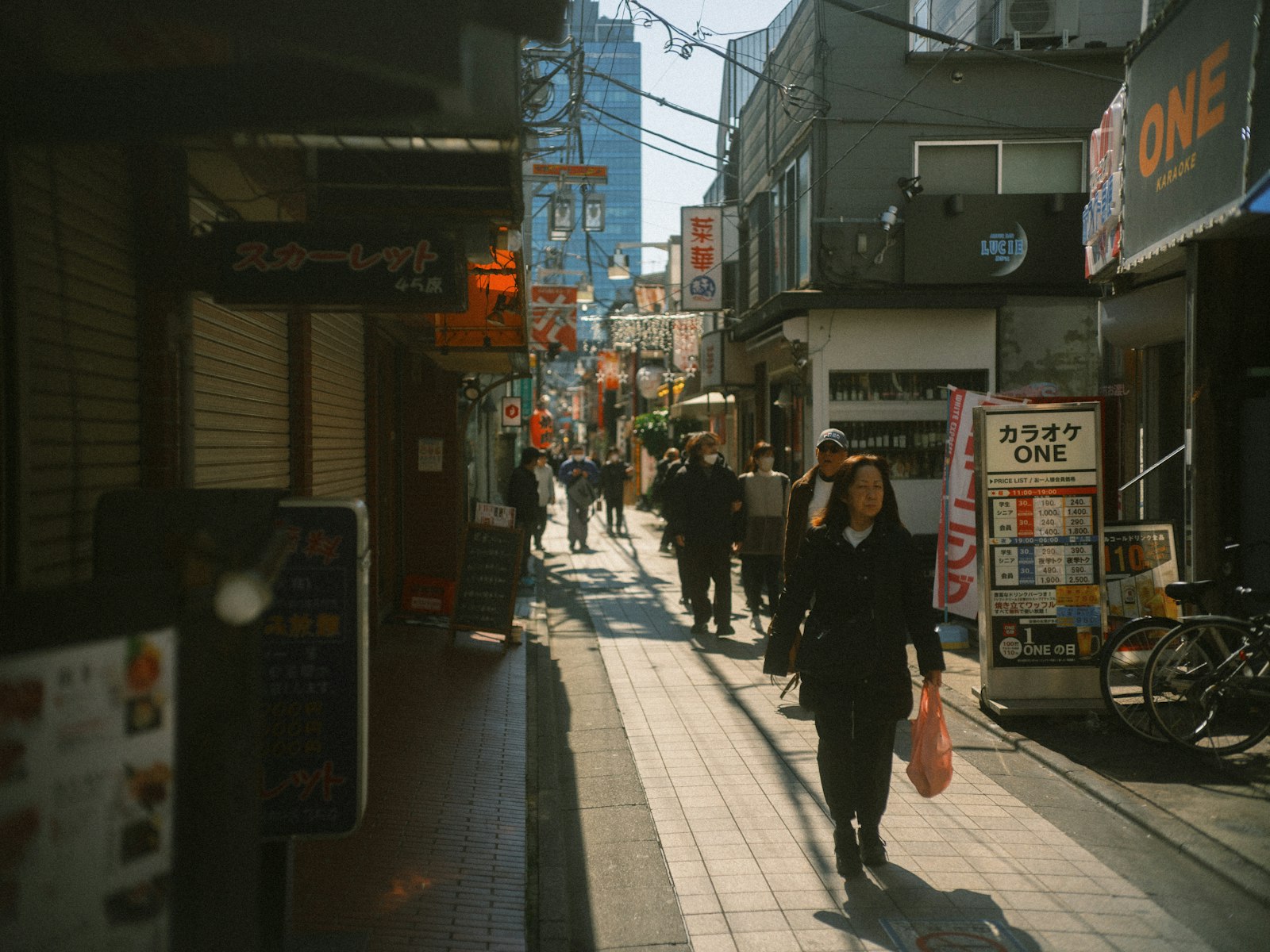
We compare paid SIM, eSIM, and pocket Wi-Fi plans on this site, so it’s worth saying plainly: for a narrow kind of trip, buying none of them is a reasonable choice. Free Wi-Fi in Japan is genuinely widespread. It’s just not continuous, and whether that gap matters depends entirely on how your specific trip is shaped.
Quick answer
- Skipping a paid plan can work if you're based in one city, staying somewhere with in-room Wi-Fi, and comfortable navigating from an offline map you downloaded in advance
- Get a paid plan if you're moving between cities, coordinating with other people during the day, or want live translation or ride-hailing to work anywhere you happen to be
Where free Wi-Fi actually holds up
Convenience stores are the most consistent option — 7-Eleven and FamilyMart locations offer free Wi-Fi across most of the country, and they’re common enough in cities that one is rarely far away. Hotels and ryokans almost always include in-room Wi-Fi, so mornings and evenings are covered without any extra setup. Cafes, department stores, and larger train stations often provide it too, though usually after a signup screen the first time you connect.
Where it breaks down
The gap is the time between those points. Free Wi-Fi doesn’t follow you onto the street, into a taxi, or onto most trains, so anything you need mid-walk — pulling up a map, translating a menu, checking a train platform — has to wait until you reach the next hotspot. Station Wi-Fi adds its own friction on top of that: it often asks for an account signup per session, and the connection can drop as you move between stations rather than staying attached the way a phone’s mobile signal does. None of this makes free Wi-Fi unusable — it makes it something you plan around rather than lean on in the moment.
The trip where this genuinely works
If your itinerary is one city, booked in advance, with a hotel that has reliable Wi-Fi and a route you’ve already mapped out, you can get through the day on downloaded offline maps and whatever you handle at the hotel before heading out. Short, simple, low-coordination trips are exactly where a paid plan buys you the least — you’re not translating on the fly with a shopkeeper, you’re not splitting up from travel companions who need to reach you, and you’re not hopping between cities where a fresh signup screen greets you at every new hotspot.
The trip where it doesn’t
Multi-city itineraries are the clearest case against it: each new station and konbini means another signup screen, and the actual travel time between cities is exactly when you have no connection at all. The same goes for anyone who wants live translation to work mid-conversation, ride-hailing to work from wherever they’re standing, or a way for someone else in the group to reach them while everyone’s split up for the afternoon. None of that survives on a connection that only exists at fixed points.
If you want a safety net rather than a full plan
You don’t have to choose between full connectivity and none at all. A short-duration tourist eSIM covers exactly the gap free Wi-Fi leaves, without paying for a trip’s worth of data you might not use.
 Mobal
Mobal940+ customer reviews, mostly positive
Verified Jul 28, 2026
Tourist eSIM, 5G Unlimited, 3 days
Unlimited (15GB hotspot/tethering cap)
¥1,650
Tourist eSIM, 5G Unlimited, 5 days
Unlimited (15GB hotspot/tethering cap)
¥2,750
Tourist eSIM, 5G Unlimited, 7 days
Unlimited (15GB hotspot/tethering cap)
¥3,850
Tourist eSIM, 5G Unlimited, 14 days
Unlimited (15GB hotspot/tethering cap)
¥6,600
Tourist eSIM, 4G Fixed, 10GB / 16 days
10GB
¥4,620
Tourist eSIM, 4G Fixed, 50GB / 31 days
50GB
¥6,600
Mobal’s shortest tourist eSIM runs ¥1,650 for three days of unlimited data — cheap enough that it’s worth keeping as a backup even if your plan is to rely on free Wi-Fi for most of the trip.
Mobal
Cheapest short-duration option if you just want a backup, not a full data plan
940+ customer reviews, mostly positive
If your trip does turn out to need full-time connectivity, see our Best SIM Card for Japan overview or the guide to sizing your data plan for a properly connected itinerary.
Frequently Asked Questions
Is it safe to log into bank accounts or shopping sites over free Wi-Fi in Japan?+
Treat any open public network with the same caution you would at home — avoid logging into banking or other sensitive accounts on it, and use a VPN if you need to.
Do all train stations in Japan have free Wi-Fi?+
Many larger JR and metro stations do, usually behind a one-time signup, but it's not universal and the connection commonly drops once you move between stations.
Can I get by on hotel Wi-Fi alone if I don't leave the city?+
It covers the hours you're actually at the hotel, but not the time you spend out sightseeing — plan around that gap with offline maps rather than assuming hotel Wi-Fi extends further than it does.
What's the cheapest way to add a backup connection without buying a full data plan?+
A short-duration tourist eSIM sized to just a few days, like Mobal's 3-day option, covers the gaps without committing you to data for the whole trip.
Related guides

Fukuoka 3 Days Solo Traveler: SIM/eSIM Guide
Fukuoka Airport is minutes from downtown, so you have no train ride in which to sort out connectivity. Here's how to land already connected, plus yatai tips and real pricing.
Updated September 12, 2026

Okinawa 5 Days Solo Traveler: SIM/eSIM Guide
Five days in Okinawa solo — Kokusai-dori, the Yui Rail monorail, and a snorkeling trip out to Cape Maeda's Blue Cave? Here's the connectivity setup that fits, plus real pricing.
Updated September 12, 2026
Osaka 3 Days Solo Traveler: SIM/eSIM Guide
Eating alone through Dotonbori and Kuromon for three days puts your phone to work in ways a temple trip doesn't. Here's the connectivity setup that fits, with real pricing.
Updated September 12, 2026