Getting Online in Osaka: SIM, eSIM and Pocket Wi-Fi
By Japan Connect Guide Team · Updated 9/12/2026
This page contains affiliate links. We may earn a commission if you make a purchase, at no extra cost to you. Learn more.
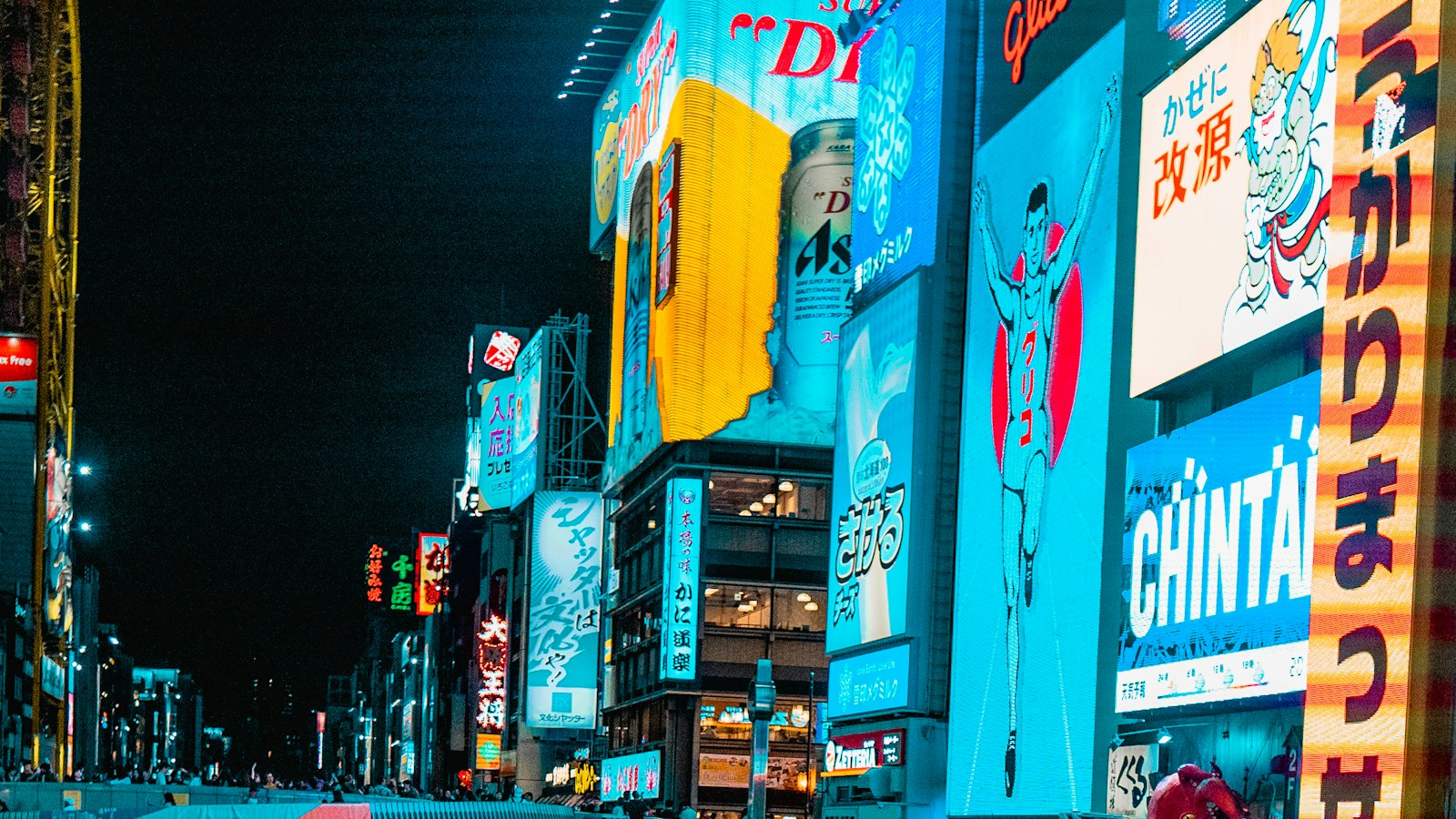
Osaka has some of the strongest, densest coverage of any city on this site. It also has the itinerary most likely to break a single shared connection. Both facts come from the same place: Osaka is a base as much as a destination.
Quick answer
- Two individual eSIMs if you are a couple, since they come in under even the four-day router rate
- One shared pocket Wi-Fi router if you are a family of four moving together
- Two routers, one per subgroup if you are six or more and will split between USJ and a day trip
- A router rather than tethering if you plan to share one connection, since hotspot allowances are capped separately
Arrival: Kansai Airport serves the whole region
Kansai International Airport sits on an artificial island in Osaka Bay, and the ride into central Osaka takes roughly 40 minutes to an hour depending on which service you take. Trains also run directly to Kyoto, around 75 minutes on the limited express, which is why Kansai International Airport serves travelers heading to Nara and Kyoto as well as Osaka.
That hour matters in the same way Narita’s does, and for the opposite reason to Fukuoka’s: it is enough time to find a counter, buy a SIM and get it working before you actually need to navigate anywhere. If you would rather skip that entirely, an eSIM installed before you fly is working the moment you land.
Osaka is where your party divides
Nara, Kobe, Himeji and Kyoto are all within roughly an hour. Universal Studios Japan absorbs a full day on its own. Put a party of four or six in Osaka for five days and at some point some of you go one way and the rest go another.
A pocket Wi-Fi router cannot be in Konohana-ku and Nara at the same time. Whichever subgroup does not have it spends the day offline in the place they most need maps and meeting-point messages.
So the question to answer before you buy is not “how many devices can one router handle?” It is “how many places will we be at once?” Count your split days first, then decide.
The tethering shortcut that does not work
The obvious way to save money is for one person to buy an unlimited SIM and hotspot everyone else. It runs into a limit that is not obvious on the product page: “unlimited” on a travel SIM usually means unlimited on that phone, with hotspot use capped separately.
| Setup | Hotspot allowance |
|---|---|
| Sakura Mobile Travel SIM, Unlimited, 4 days | 3GB total across the trip |
| Mobal 5G Unlimited tourist eSIM | 15GB |
| Pocket Wi-Fi rental | No separate hotspot cap |
Five people sharing a 3GB hotspot allowance will exhaust it in an afternoon of navigation and photo uploads. If your party intends to share one connection, rent a router built for it.
The Umeda underground
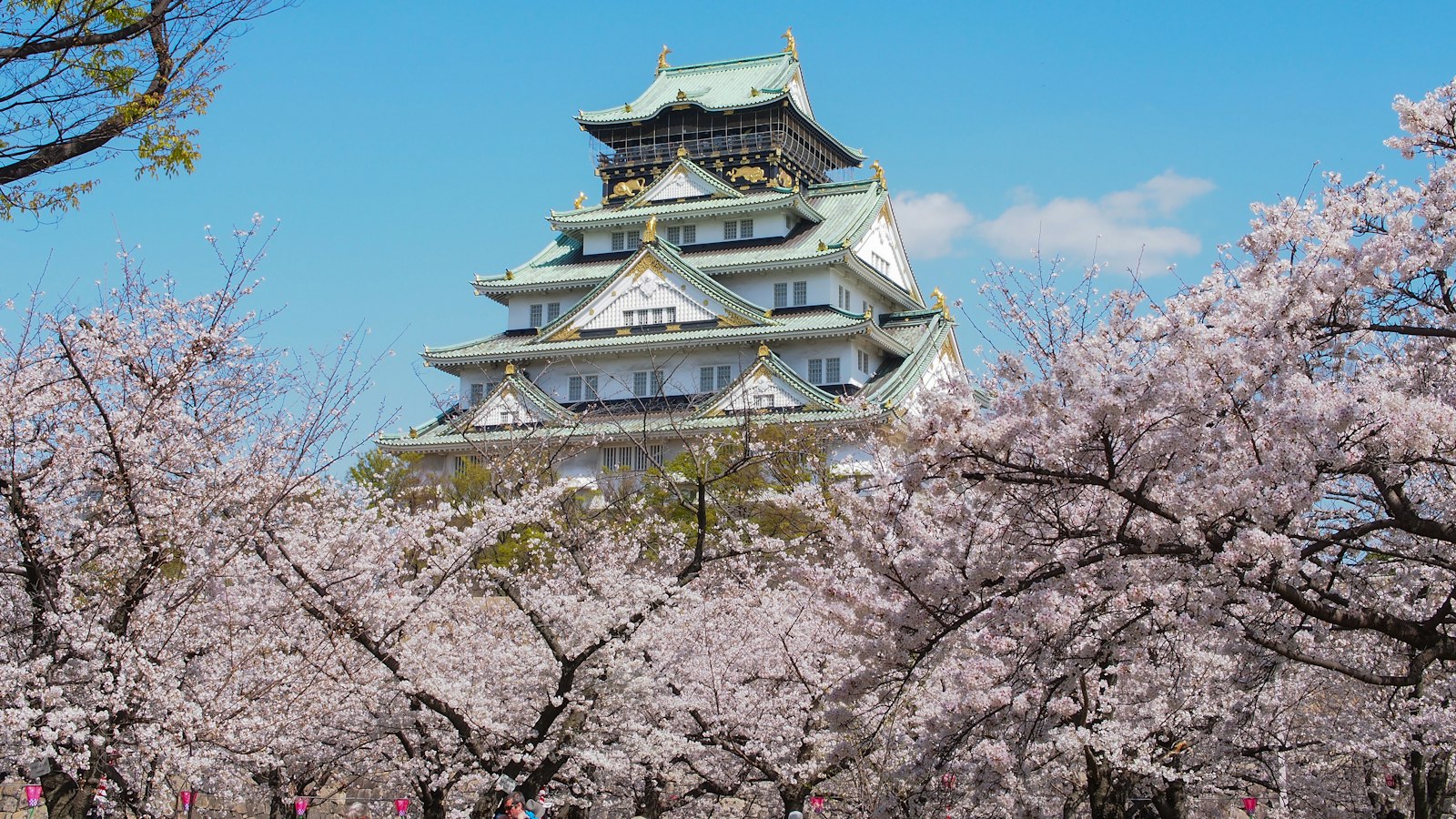
Osaka’s above-ground coverage is consistently strong: Dotonbori, Shinsaibashi, Shinsekai, the Osaka Castle grounds, and the Umeda Sky Building’s open-air observatory all hold signal without trouble.
Umeda’s underground network is the main challenge, not because mobile service disappears, but because the area is among the largest and most confusing underground networks in Japan. Mobile service is available throughout the Osaka Metro network, but deep underground areas and large commercial complexes can still produce slower or less consistent service. Downloading an offline map of central Osaka removes the problem.
It is also where a party loses each other. Two people walking a crowded passage separate easily, and the one without the router loses navigation where the signs are hardest to follow.
Universal Studios Japan
Worth its own note, because it changes the numbers. Park-day crowd density can put heavy demand on mobile networks, although actual performance varies by carrier and location. It can be especially noticeable when one phone is serving several other devices.
A park day also rewrites data use. Queue time is browsing time, and a family of four can easily use several times their normal daily data on a park day, especially if they browse social media or upload photos while waiting in line. That is the argument for an uncapped connection rather than fixed allowances that run out separately.
Load your park map and tickets in the morning. And if children in your party carry phones and you expect to split up across twelve hours, an individual eSIM for the one most likely to wander is worth more than any upgrade to the router.

Sakura Mobile
Pocket Wi-Fi built for sharing, with no separate hotspot cap
1,402 customer reviews, mostly 5-star but with some complaints
What to buy
| Party | Typical answer | Cost |
|---|---|---|
| Solo | One tourist eSIM | ¥1,650 for 3 days, ¥3,850 for 7 |
| Couple | Two individual eSIMs | ¥5,500 for 5 days |
| Family of 4 | One shared pocket Wi-Fi router | ¥8,558 for 7 days |
| Group of 5+ | Two routers if you have a split day | About ¥2,080 per person for 4 days |
At six people, a second router costs less than two extra individual SIMs, so covering a split day is cheaper than it sounds. For a couple, two eSIMs come in under even the four-day router rate.

Mobal
Priced by the exact day, and unlimited for the queue time Osaka produces
940+ customer reviews, mostly positive
How much data an Osaka trip uses
Around 1-2GB per person per day for ordinary sightseeing. Osaka can run higher on days with long queues or a full day at Universal Studios Japan. Every plan we compare covers ordinary days comfortably.
Frequently Asked Questions
Can we tether off one person's unlimited SIM instead of renting a router?+
Not reliably. Travel SIMs cap hotspot use separately from the main allowance: Sakura Mobile's 4-day unlimited SIM allows 3GB of tethering for the whole trip, which five people will use in an afternoon. Mobal's tourist eSIM allows 15GB. A pocket Wi-Fi rental has no separate sharing cap.
Is Kansai Airport only for Osaka trips?+
No. Trains run directly to Kyoto in around 75 minutes on the limited express, so Kansai serves travelers heading to Nara and Kyoto as well.
Will our connection work in the Umeda underground?+
Mobile service is available throughout the Osaka Metro network, but deep underground areas and large commercial complexes can produce slower or less consistent service. The layout is confusing enough that an offline map of central Osaka is worth downloading first.
How much data does a Universal Studios day use?+
Far more than an ordinary day. Queue time turns into screen time, so expect several times your usual daily figure, mostly from video plus the park app and photos uploading as you go.
All Osaka connectivity guides
Worked through by trip length and party size, with current prices for each.
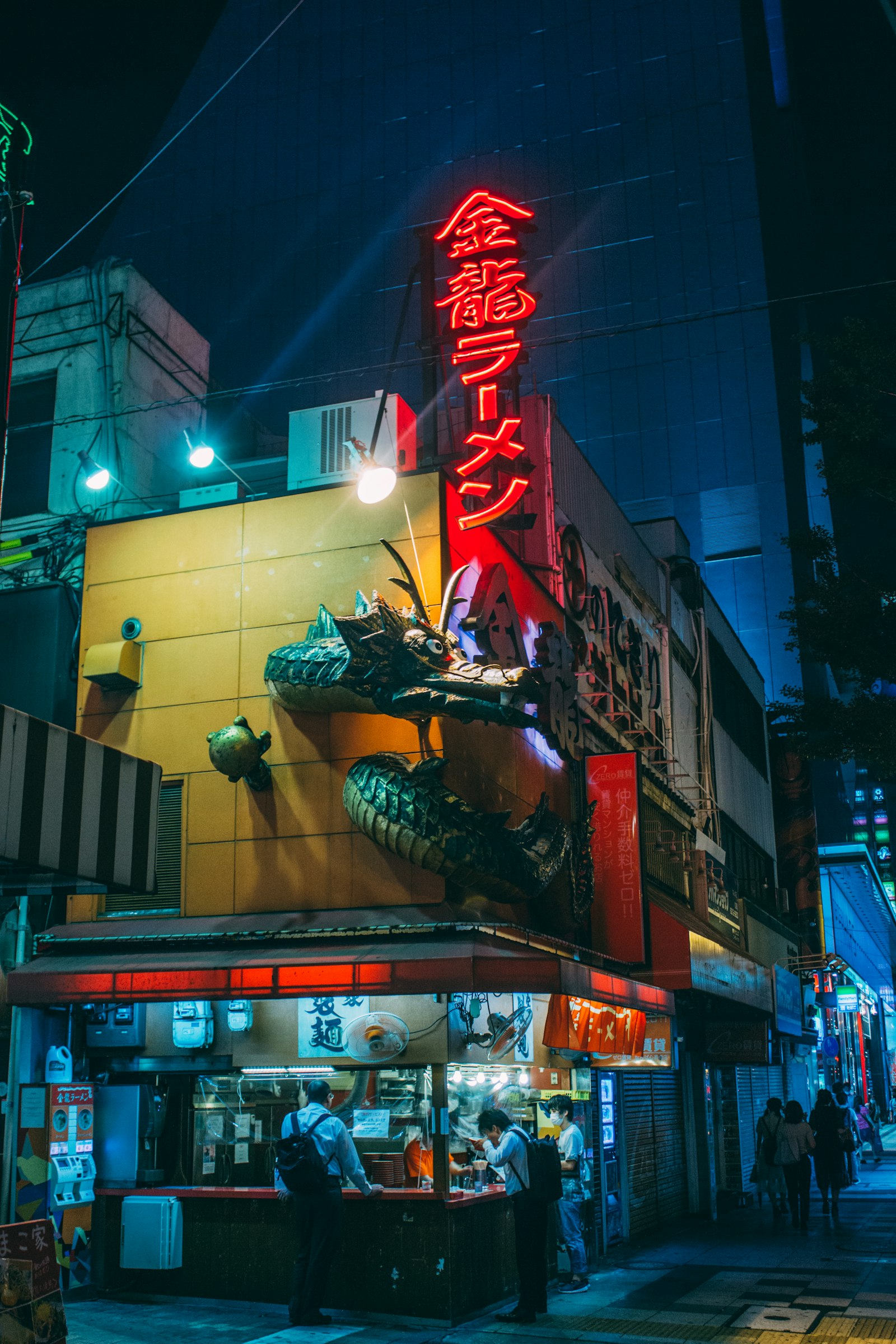
Osaka 3 Days Solo Traveler: SIM/eSIM Guide
Eating alone through Dotonbori and Kuromon for three days puts your phone to work in ways a temple trip doesn't. Here's the connectivity setup that fits, with real pricing.
Updated September 12, 2026

Osaka 4 Days Group of 6+ Friends: Best Value SIM/Wi-Fi
A group of 6 in Osaka for 4 days almost always splits up for a day trip or a USJ day. Here's the per-person math on one router vs. two, and the tethering cap that catches groups out.
Updated September 12, 2026
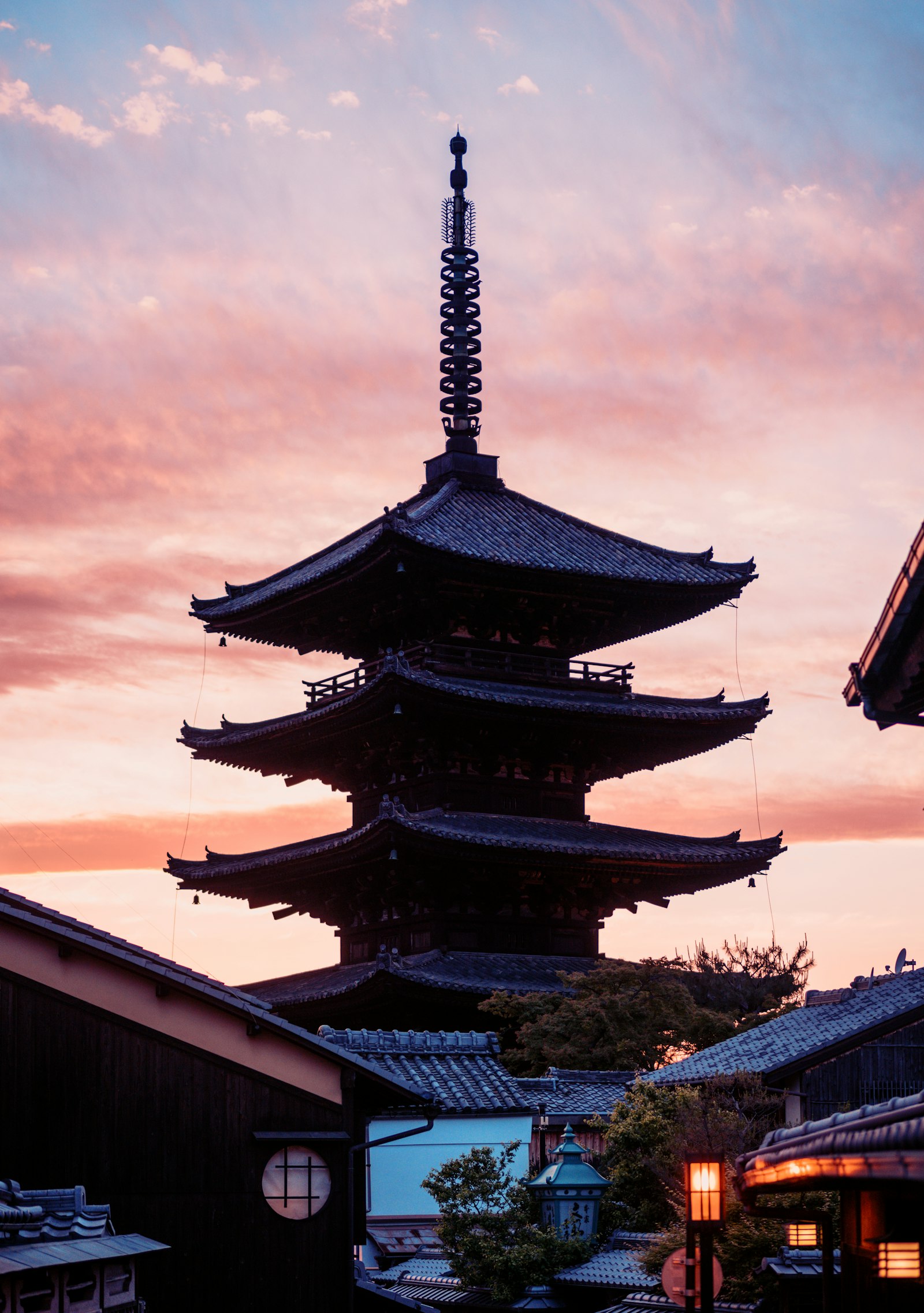
Kyoto & Osaka 5 Days Couple: SIM/Wi-Fi Guide
Splitting five days across two cities adds a problem single-city trips don't have: where you return a rental router. Why that alone often settles it for a couple, plus costs.
Updated September 12, 2026
Osaka 5 Days Couple: SIM/Wi-Fi Guide
Most guides tell couples to share one pocket Wi-Fi to save money. Run the actual numbers for 5 days in Osaka and that's wrong — two eSIMs come out cheaper. Here's the math.
Updated September 12, 2026
Osaka 7 Days Family of 4: Connectivity Guide
A week in Osaka with kids revolves around one 12-hour Universal Studios day. Here's why a single shared router is a single point of failure there, and what to do about it.
Updated September 12, 2026
Tokyo to Osaka 10 Days Family of 4: Connectivity Guide
A two-city family trip turns on one day: the Shinkansen transfer with luggage and children. Oversized bags need a reservation, and a rented router has to get home somehow.
Updated September 12, 2026
Japan 14 Days Multi-City Backpacker: Data Plan Guide
For a 14-day multi-city Japan backpacking trip, a longer-validity eSIM with a generous data cap beats juggling multiple short-term SIMs between cities.
Updated July 28, 2026