A Day in Nara: What Your Phone Actually Does
By Japan Connect Guide Team · Updated 9/24/2026
This article contains affiliate links. We may earn a commission if you make a purchase, at no extra cost to you. Learn more.
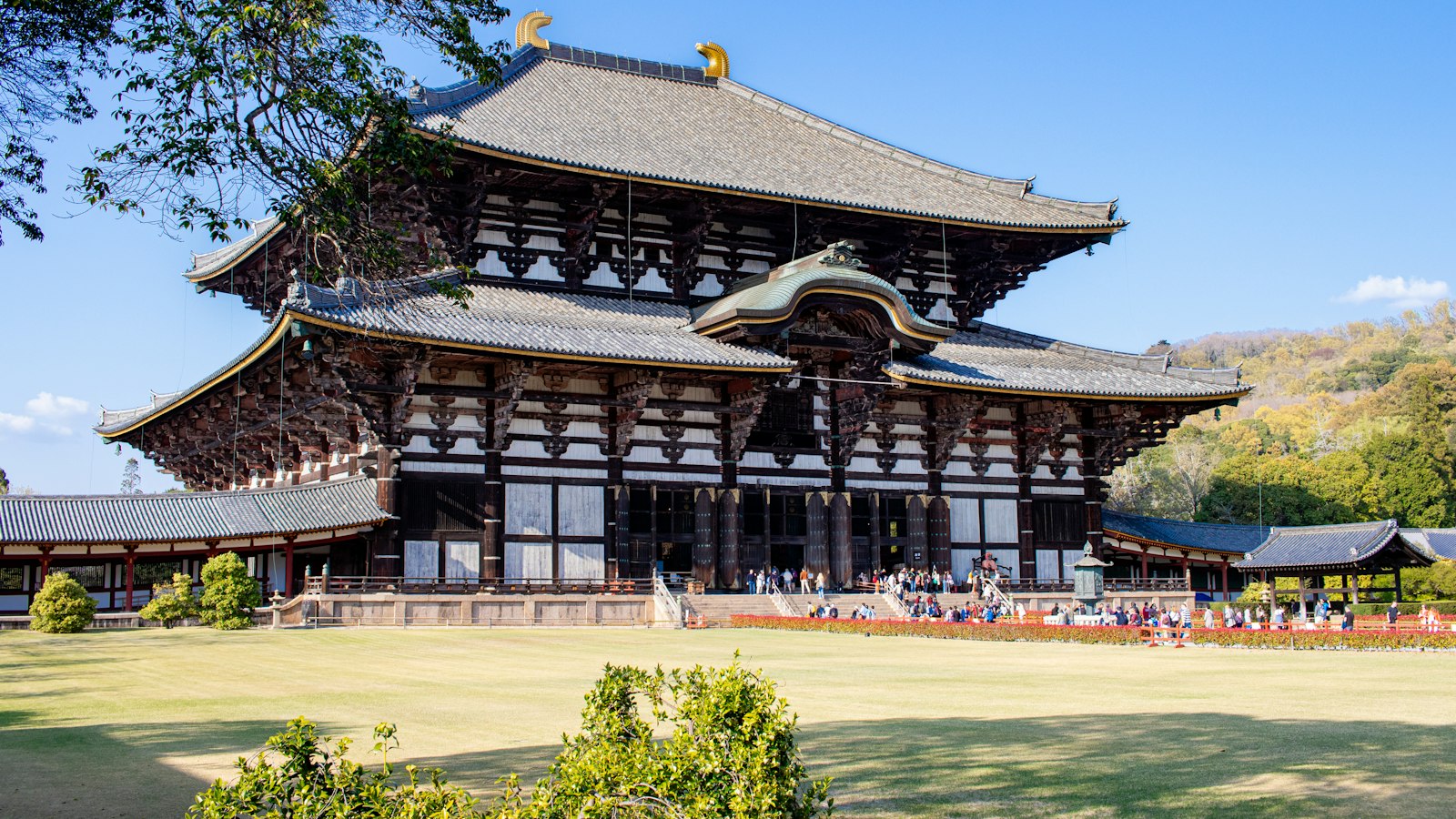
A multi-day trip has a rhythm: sightsee, return to the hotel, charge overnight, offload photos to Wi-Fi, start the next day fresh. A single day in Nara has none of that. Whatever charge and storage you leave the station with in the morning is what has to carry you through the park, the temples, the old town, and the ride back to wherever you actually slept. There’s no midpoint to reset at.
Quick answer
- Whatever plan already covers your trip if you are day-tripping in from Osaka or Kyoto, as most visitors do
- A power bank, charged before you leave if there is no outlet to rely on until you are back at your accommodation
- Photo backup switched off, not just paused if you will not reach Wi-Fi again until evening
- Mobal's 3-day tourist eSIM if this is genuinely your only day in Japan and you need a plan from nothing
Nara Park: the map stays open the whole way in
Nara Park has no single obvious path between the station and Todai-ji. It’s a wide, open expanse shared with the deer, and most visitors check a map repeatedly just to confirm they’re heading the right way rather than following signage. That’s screen-on time with GPS running before you’ve reached the first temple, and it’s constant rather than occasional the way it might be on a route you already know from a previous day in the same city.
Todai-ji: the queue is where the battery goes
Getting into the Great Buddha Hall usually means standing in a line, and a line is where people reach for their phones: photos, messages, filling ten minutes of waiting. None of that costs much data, but it adds up on the battery side across a day that started without a midday recharge. Inside the hall itself, the timber structure is dense enough that a cell signal can weaken briefly — a building effect rather than a carrier problem, and it clears once you’re back outside.
Kasuga Taisha: further, quieter, and still worth checking a map for
The walk from Todai-ji to Kasuga Taisha runs through a cedar forest lined with stone lanterns, and it’s noticeably longer and less busy than the ground you’ve covered so far. Some day-trippers skip it for exactly that reason. If you go, it’s still a route worth confirming rather than guessing at — the forest paths branch more than they look like they will from the entrance.
Naramachi: the day isn’t over when the sightseeing is
By the time you reach Naramachi’s old merchant lanes, most guides assume you’re winding down toward dinner and a hotel room nearby. Here you’re not. You still have a train or bus back to Osaka or Kyoto ahead of you, plus whatever navigating and phone use that involves once you arrive. Budget battery and data for the trip home as part of the day, not as a separate errand that starts once Nara is behind you.
Light on data, heavy on commitment
A full day like this totals well under 1GB for most visitors — mostly maps and photos, with nothing resembling the video calls or heavy uploads that drive data use elsewhere. The catch is that it runs as one unbroken stretch instead of two or three shorter sessions split across a hotel Wi-Fi reset. That’s why the meaningful constraint here is battery and photo storage, not the gigabyte count, and why the fix is a power bank and a paused camera roll rather than a bigger plan.
If this really is your only day
Nearly everyone reading this already has a plan bought for a longer stay elsewhere, and it covers Nara without any changes. The exception is a traveler for whom Nara is the entire visit — arriving and departing Japan the same day, with no other city on the itinerary to buy a plan for. In that case, worth knowing before you shop: no tourist eSIM we track sells a genuine single-day tier. Mobal’s shortest tourist eSIM runs 3 days at ¥1,650, which is the closest any provider here gets to pricing for a day this short.

Mobal
The shortest tourist eSIM tier available, for the rare case where Nara is the whole trip
940+ customer reviews, mostly positive
Frequently Asked Questions
Do I need to buy anything specifically for a day in Nara?+
No, unless Nara is your entire visit to Japan with no other city on the itinerary. Otherwise, the plan you already bought for Osaka or Kyoto covers the day without changes.
Why does a day this light on data still drain the battery?+
Because it runs as one continuous stretch with no hotel Wi-Fi break to recharge or offload photos at. Nara Park's open layout and the walk to Kasuga Taisha both mean the map stays on for longer than the data total alone would suggest.
Is there a one-day eSIM for a single-day visit?+
Not from the providers we track. Mobal's shortest tourist eSIM tier is 3 days at ¥1,650, which is the closest available option if Nara is genuinely your only day in Japan.
Does the signal drop out inside Todai-ji's Great Buddha Hall?+
It can weaken briefly given how dense the timber structure is, which is a building effect rather than a carrier issue, and it clears once you step back outside.
This guide covers one trip. For arrival, coverage and what to expect across the whole city:
Related guides
eSIM for Android in Japan: How to Check Your Phone Will Actually Work
Android eSIM support isn't one rule like it is on iPhone — it depends on your manufacturer, your region, and how your phone was sold. Here's how to check before you fly.
Updated September 28, 2026
Is Free Public Wi-Fi Enough in Japan?
Free Wi-Fi in Japan is real but patchy. Here's where it actually works, where it breaks down, and the narrow kind of trip where skipping a paid plan is a fair call.
Updated September 21, 2026
Do You Need a Japanese Phone Number as a Tourist?
Most tourist connectivity is fine with data only. Here's when a real Japanese phone number actually matters — and which of the major providers can give you one.
Updated September 14, 2026